Showing posts with label Flacourtiaceae. Show all posts

Thursday, July 4, 2024

Hydnocarpus pentandrus (Buch.-Ham) Oken

 Family - Flacourtiaceae

Synonym - Chilmoria pentandra, Hydnocarpus laurifolius, Hydnocarpus wightianus

Vernacular name - Marotti, Neeratti

Habit - Tree

Habitat Evergreen, semi evergreen and along streams of moist deciduous forests.

Distribution - Western Ghats (Endemic)

Flowering and Fruiting - December - May

Key Identification feature - Dioecious trees can grow up to 25 meters in height, with fluted boles. Their bark is, pale brown with white patches, and has a smooth, brittle texture. The leaves are simple, alternate, and elliptic in shape. They have crenate or serrate margins and are glabrous and coriaceous. Dioecious trees produce unisexual flowers, typically greenish-yellow. The fruit is a globose berry  with a thick, brown rind and numerous yellowish seeds. 

Uses - Cultivated in roadsides of hilly areas, timber used for building construction, oil used as medicine. Fruits used as fish poison.


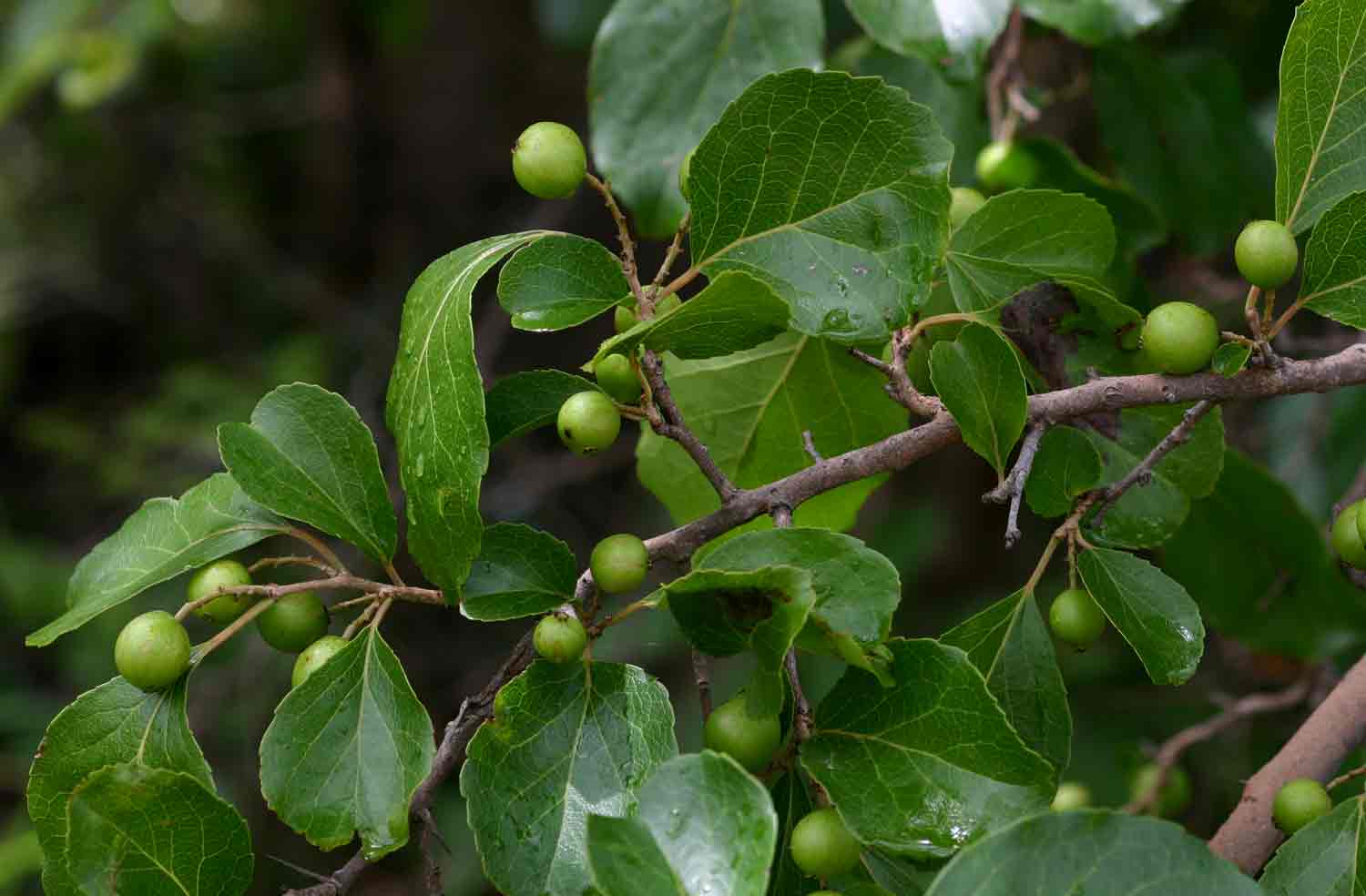
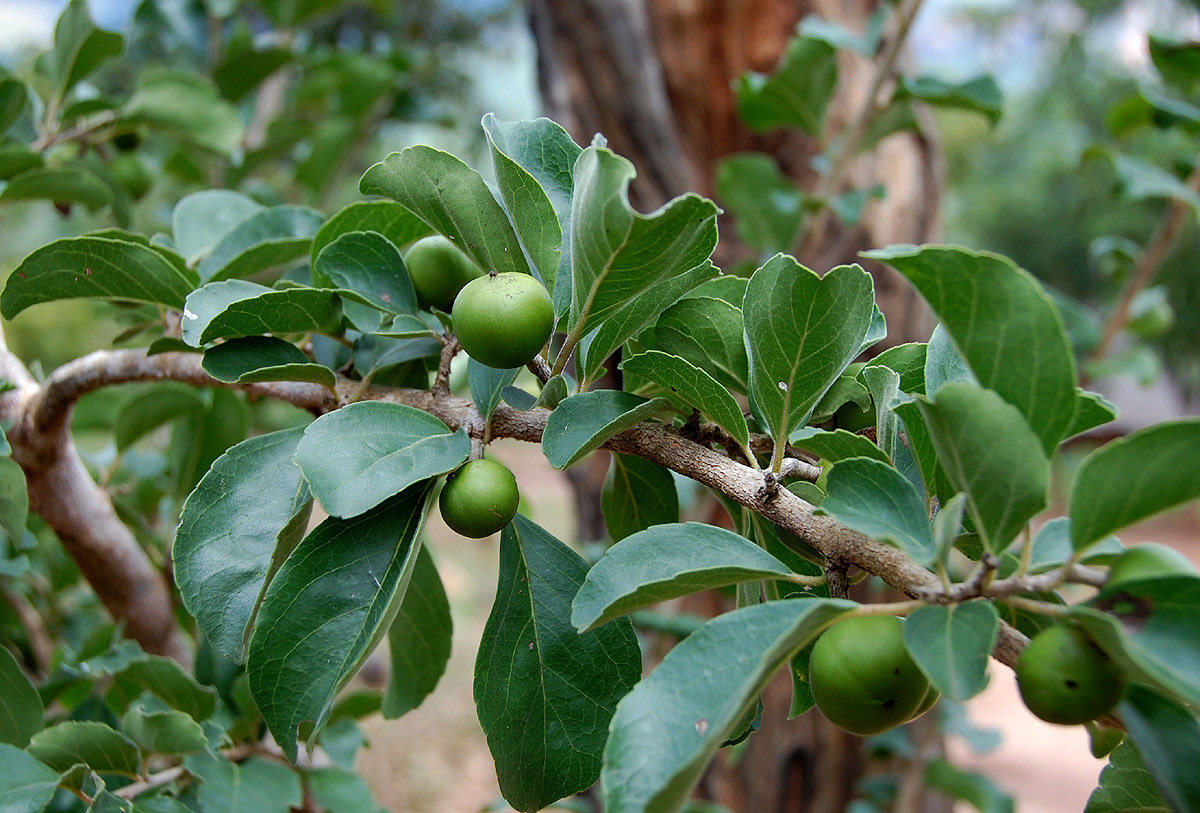
Wednesday, July 3, 2024

Flacourtia indica (Burm. f.) Merr.


Family: Flacourtiaceae

Synonym: Gmelina indica Burm.f. 

Vernacular name: Aghori,Cherumullikkachedi,Karkkadappazham,Karimulli,Kattukara

Habit: Shrub

Habitat: Scrubs, deciduous to mixed forests Swamp forest, cultivated

Distribution:  Ethiopia to S. Africa, SE. China to Tropical Asia

Flowering and Fruiting:  November-March

Key identification features: Flacourtia species are shrubs or trees, armed with simple and branched spines, branches with sympodial growth. Inflorescence in shortly pedunculate axillary and terminal raceme fascicles, few to many flowers. Flowers unisexual or sometimes bisexual, Fruit indehiscent berry or drupe.

Uses: The leaves of Flacourtia indica may be used as fodder for livestock in some regions.


Flacourtia jangomas (Lour.) Raeusch.

 Family: Flacourtiaceae

Synonym: Rumea jangomas (Lour.) Spreng. 

Vernacular name: Loika, Lavalolikka, Luikka, Thaliru, Vaiyyankata

Habit: Tree

Habitat: Swamp forest, cultivated

Distribution: India, China, Bangladesh, Nepal, Pakistan; Africa

Flowering and Fruiting: March-October

Key identification features: Small evergreen tree or shrub with compound spines. It produces small white to green fragrant flowers which occurs on lateral shoots, globose fruits turn dark purple when ripe. It is covered by persistent stigmas.

Uses: The barks are also used in traditional medicines for curing stomach ailments. 


Sunday, June 23, 2024

Flacourtia montana J.Graham


 Family: Flacourtiaceae

Vernacular name: Chalirpazham, Charalmaram, Charalpazham, Kattuloika, Muripacha

Habit: Tree

Habitat: Evergreen and semi-evergreen forests

Distribution: India

Flowering & Fruiting: February-October

Key identification features: Leaves ovate, acuminate or acute, base acute or rounded,  crenate, glabrous except the midrib below. Capsule orange-yellow.

Uses:  Fruits are edible and may be consumed fresh or processed into jams, jellies, or beverages due to their sweet and tangy flavor.


Blechnum orientale L.

  Family : Blechnaceae  Habit : Subshrub Habitat : Wet tropical biome Distribution :   Western Australia and Southern Asia Flowering...